Navigating pastured poultry challenges

posted on

March 4, 2024

Blake-w-Chicken.webp

If you’ve followed us for long, you know that we’ve been working through significant challenges that have threatened our ability to continue offering chicken to our customers.

That said, we’re not giving up; instead, we plan to double down our efforts with significant investments and new collaborations for 2024 and beyond.

This blog post is longer than usual, but because trust and transparency are a high priority to us, I invite you to read along to stay informed.

Before diving into the updates, let me first explain the gravity of the challenges that small-scale pastured poultry farmers are up against.

The 3 biggest challenges facing small-scale poultry

Challenge #1: Lack of processing

Compared to beef and pork, our ability to access USDA processing capabilities for poultry is extremely limited and costly. You see, the chicken industry has built multi-million dollar processing plants utilizing robots and automation to the point they are easily 10-20 times more efficient than small plants. As you can guess, these plants are “locked up” by the big guys. This pretty much has put a monopoly on poultry processing in the U.S.

Not to mention the picture below shows the scale and level of automation that we compete against for efficiencies:

Chicken-Plant.webp

Photo credit: The Washington Post

According to Reuters, in the past three years, Tyson Foods has invested over $1.3 billion in automated processing equipment, allowing them to harvest over 100,000 birds per day in a single facility. Compare that to our small-scale processor that processes less than an average of 1,500 birds per day. This becomes very difficult to compete with and is a significant factor that drives our prices higher than store-bought chicken.

Challenge #2: High labor needs

I won't belabor this point (no pun intended😉) raising birds on pasture requires an exorbitant amount of manual labor cost. I would estimate our labor requirements to be 10-12 times higher compared to traditional poultry farms. In today’s labor market, finding the help we need on the farm has become increasingly difficult, as our family can only provide so much labor.

To make matters worse, all this labor is only needed during the summer, resulting in winter layoff periods and having to hire and re-train new staff the following year. Providing steady pay and work throughout the year is a major conundrum for pasture-based poultry farmers. This leads me to my next point.

Challenge #3: Seasonality

Since we’re located in the northern part of the country, we have cooler weather for six months of the year, with snow and temperatures dropping below freezing at times.

In the past, this has meant that for us to be able to sell poultry during the winter, we must raise and store double the amount of chicken during the summer.

Storing up chicken in the summer to sell later in the year means that the chicken itself ends up older than we'd prefer by the time it reaches our customers and requires a lot of expensive freezer space and energy costs. Not to mention, this leads to unmanageable cash flow challenges for us.

Many farmers attempt to extend their production window by raising birds earlier in the spring and later into the fall, but the cold conditions lead to a high bird mortality rate. That's just not something we'll consider doing.

We’ve considered raising and selling chicken only in the summer, which would only exacerbate our struggles with seasonal labor and processing inconsistencies.

Pastured poultry farms are closing their doors

All these issues I’ve discussed above are compounding to the point that they threaten our ability to continue offering chicken to our customers.

Just in the last few years, I’ve witnessed several well-established poultry farms give up after over a decade-long attempt to make it work.

I also see many of my fellow farms struggling with thin margins because they are absorbing all the cost on themselves, thus crippling their ability to make a meaningful long-term impact. Other farms forward the high cost and inefficiencies to their customers, resulting in prices that few customers can or are willing to absorb.

To be honest, we’ve considered giving up as well.

But, the fact remains that the demand for poultry continues to outpace that of all other proteins, and I believe consumers deserve better choices. That’s why we’re marching forward!

Moving Forward Through Collaboration

I’m convinced that the path forward must be collaborative, which finally leads me to the solutions and changes we have in the works:

Solution #1: Collaboration for Labor

In addition to raising ethical chicken on our farm next year, we’ve also invested over $170,000 to help three other farms in our area begin raising poultry on their farms. Our investments have helped provide our partners with equipment and startup funds, while each of our partnering farms will provide the much-needed labor to care for the birds. 

We’re locking arms with these fellow family farms to raise birds on pasture during the growing season when temperatures are warm enough for birds to live outside comfortably.

The pictures below show the mobile coops that we purchased for these farms that allow the birds to be moved for fresh pasture daily:

Chicken-Coops.webp

Chickens-Outdoors.webp

Solution #2: Collaboration for processing

We’ve seriously contemplated building our own inspected poultry processing facility on our farm for years. While we’re not ruling this out completely, we are opting to support another family farm that has already made this commitment.

The King family (pictured below), located in the neighboring state of Ohio, has operated their own small-scale USDA poultry processing facility for over a decade. My hat goes off to this family for their commitment to serving small-scale poultry farms in our area.

Kings-Chicken.webp

Their job is not easy, and our goal is to support their efforts by helping them establish better economies of scale over time. Next year alone, we aim to collaborate with Kings to harvest and process 70,000+ of our pasture-raised birds.

Solution 3: Collaboration for winter production

Moving forward, we will continue raising birds outside with daily pasture movements for as long as the weather allows each season. As the cold northern weather approaches, we plan to adjust our production approaches to accommodate raising birds in the winter as well. This is exactly what we do for all the livestock on our farm.

For example, our cattle are relocated to woodlands for wind protection, receiving winter hay. Our pigs are raised with access to warm water and shelter over their heads. Our laying hens move indoors with outdoor access, weather permitting.

Moving forward, our meat birds will also be raised in warm, protective poultry houses during the harsh winters. Starting in January of 2024, we plan to partner with Corwin Heatwole and the farmers at Shenandoah Valley Organics to source ethically raised chicken for our customers during the winter.

Shenandoah-Valley-Organics.webp

Above: Corwin Heatwole & family at their farm near Harrisonburg, Virginia. 

Corwin and his partnering farms have always raised chickens ethically inside protective houses, giving birds more space and access to pasture than organic standards require. I believe this is exactly how birds should be raised during the winter in cold climates. We know this because this is the same approach we’ve always taken with our laying hens each winter, and it has proven to work well and provide a wonderful product.

I’ve personally traveled and visited with the people and farmers at Shenandoah Valley Organics, and I was encouraged by how open and transparent they operate.

Our winter birds will be raised with the same protocols that we’ve always adhered to when raising our hens in winter houses:

  • Always non-GMO feed
  • Antibiotic, drug-free
  • No added hormones 
  • Access to pasture (as weather allows)

I’ve shared a few snapshots I took while touring their operation earlier in December with my brother Brandt.

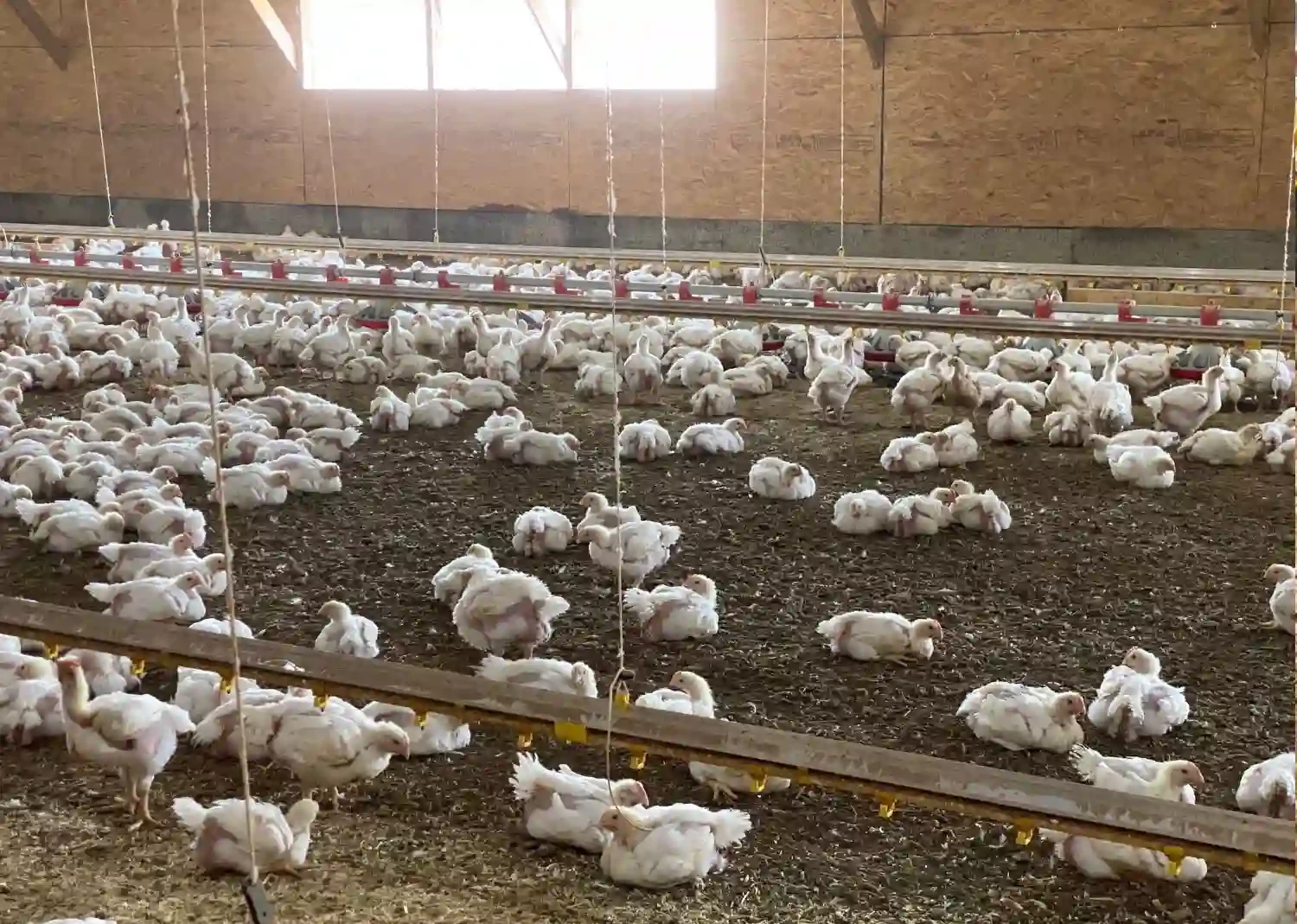
These pictures demonstrate the winter housing environment at one of the producer farms we visited.

Shenandoah-Valley-Organics-1.webp

Shenandoah-Valley-Organics3.webp

Shenandoah-Valley-Organics-.webp

This indoor environment above is very similar to how we accommodate our laying hens on our farm in the winter. This is also a Certified Organic production system, but several differences go above and beyond organic requirements: 

  • Even though this particular barn was on the larger side, I was glad to see that the space was divided into smaller subgroups to keep stress and flock competition low.
  •  The birds were also given 10-15% more space beyond what organic certification requires.
  • Opposed to conventional barns, you will also notice generous amounts of natural sunlight that shines in throughout the cold winter days. 
  • As an added perk, the doors open on warm winter days so birds can access the pasture.

While this is a great winter setup, it makes me appreciate it when spring rolls around each year when our animals can enjoy being out on fresh grass.

Shenandoah-Valley-Organics-Blaine-Brandt.webp

Lastly, here we are at the same producer's farm, standing in a field of warm-season Miscanthus grass. This special perennial grass is grown and harvested annually to provide a regenerative source of bedding for the chickens.

While we will continue raising birds on pasture during the summer, I’m thankful to say we will continue to have a consistent source of ethically raised chicken all winter long. As discussed above, this new partnership will be critical to solving our seasonal production challenges.

To learn more about how both our summer and winter chickens are raised, I’ve created an entire page you can view at any time here.

How to Buy Summer Chicken Only

In a perfect world, we'd love only to raise poultry during the warm months, but we understand that consumers need a source of healthy, ethical chicken all year. 

That said, we appreciate our customers who desire to consume food seasonally. If you are willing and able to stock your freezers with a seasonal supply of summer-raised chicken to last your household all year - you can do so in the following ways:

  1. Fill your freezer now
    You can stock up and fill your freezer here with our summer-raised chicken for orders placed from now until Sunday, March 24th (or while supply lasts).
  2. Stock up each summer
    Moving forward, you can stock up on summer chicken during our planned 2024 Summer Chicken Harvest sale. This event will celebrate the debut of our pasture-raised chicken each season and will ensure you are getting the freshest chicken of the year. Please stay tuned to our Sunday farm newsletter to join the wait list for that event.
  3. Purchase Whole Birds
    You may purchase Pasture-Raised Whole Chickens year-round, as we plan to store enough summer-raised whole birds to last all winter. We can do this because very few consumers purchase whole birds these days, so this doesn’t impose a significant freezer space or inventory expense for us.

Moving Forward With Transparency

Because we are committed to transparency and accuracy when presenting our products to consumers, moving forward, we will refer to our chicken as “Ethically-Raised.”

In northern climates, birds can only be “Pasture-Raised” during the growing season, so we feel “Ethically-Raised” better reflects our efforts to continue to raise birds on pasture as long as we can while allowing them to live in warm barns during the winter.

Instead of giving up on raising chicken, we’re doubling down with new investments while keeping an open mind and moving forward with collaboration and transparency.

Solving the complex problems plaguing the poultry industry will require incremental improvements over time. We are committed to taking incremental steps forward and supporting innovations in the pasture-based poultry movement for decades.

We value your continued support and willingness to help us solve the many unrelenting challenges in our farming and food system.

As always, you can contact me and our team with questions anytime.

Thank you for your continued support!

Your farmer,

- Blaine Hitzfield (the 2nd son)
On the Farm

More from the blog

A Complete Guide to Pork Cuts and How to Cook Them

From quick-searing chops to slow-braised shoulders, understanding different pork cuts and their ideal cooking methods helps you create delicious, satisfying meals every time. Whether you're grilling, roasting, or braising, each of the 12 main pork cuts offers unique flavors and textures that shine with the right technique. Quick Facts About Pork Cuts 12 main retail cuts come from four sections of the pig: shoulder, loin, belly, and legQuick-cooking cuts (chops and tenderloin) are lean and cook in under 30 minutesSlow-cooking cuts (shoulder, butt) have more marbling and need 6-8 hours for tender, fall-apart resultsCook ground pork and sausage to 160°F, while whole cuts should reach 145°F internal temperature, with a 3-minute restHeritage, pasture-raised pork is darker pink, firmer, and richer in flavor than conventional pork Pork is a versatile meat rich in protein, vitamins, and minerals. It’s a great addition to a healthy diet, and you can cook it in various ways. Which cut of pork you choose and how to cook it, depends on a few things.  Before deciding which cut is right for you, consider the source. Pasture-raised, heritage breeds produce more flavorful pork with better nutritional content[1] than standard grocery store products.  But can you tell the difference between pasture-raised pork and industrially produced pork? Yes! Our pork is firm and darker pink in color (indicating the animal was pasture-raised). Pork meat that is pale in color, soft, or damp was most likely factory-farmed. As a bonus, all our pork is sugar-free and free from GMOs, nitrates, and antibiotics. Now that we’ve sorted that out, let’s talk about the different pork cuts!  Originally published in 2024, this article was updated and republished on November 27th, 2025. What Are the Main Pork Cuts? When you're shopping for pork, you'll encounter retail cuts from four main sections of the pig: the shoulder, loin, side (belly), and leg. Each section produces cuts with distinct characteristics that suit different cooking methods. Here are the 12 most popular cuts of pork you'll want to know about: 1. Bacon  What part of the pig: Side (belly) Bacon is a breakfast staple for a reason, and it’s our #1 selling product of all! These thin slices of pork are quick to cook–making them a great, tasty breakfast, lunch, or dinner option! We recommend frying, baking, or grilling your pork bacon until it turns dark pink and the fat is crispy around the edges. Internal temperature: Cook until crispy (approximately 165°F) Bonus: You don’t need to stop at breakfast with your bacon. Wrap a tasty filet mignon, top your favorite hamburger, or make bite-sized pieces to mix in with oven-roasted Brussels sprouts, asparagus, or Cobb salad. 2. Pork Sausage What part of the pig: Shoulder and loin Another breakfast staple – pork sausage – is made of cuts from the shoulder and loin of the pig. We season our sausage with black pepper, red pepper, rosemary, and sage to give it a rich, hearty taste.  For the healthiest option, grill or oven-bake your sausages until browned and cooked through–or fry them in a skillet for 10-12 minutes. Then, serve with eggs, in a breakfast sandwich, or with a side of sweet potato hash. Internal temperature: 160°F (ground pork product) 3. Ham What part of the pig: Hind leg Ham comes from the hind leg of the hog. Our heritage ham roast is brined and smoked by artisan butchers for a melt-in-the-mouth texture and subtly sweet flavor. Unless they say they’re ‘fresh,’ hams usually arrive pre-cooked, but you can still work some magic through crusting, seasoning, then oven-roasting them. Our recipe for maple glazed ham is a family favorite.  Internal temperature: 160°F Our recipe for maple glazed ham is a family favorite. 4. Bone-in Pork Chops What part of the pig: Loin Bone-in pork chops are a premium cut sourced from the loin of the pig. They’re renowned for their marbling, tenderness, and depth of flavor, making them a tasty centerpiece for any dinner party.  Pork chops are also versatile. You can marinate them and then toss them on the grill, sautée, or oven-roast them with herbs and spices for added flavor. And they’ll be ready in under an hour from start to finish! You can keep it simple by topping with your favorite BBQ sauce or try one of these pork chop side dishes. Internal temperature: 145°F with a 3-minute rest For something that will wow your guests, try our recipe for pork chops with pear sauce. 5. Ground Pork What part of the pig: Primarily shoulder and hind sections Cut primarily from the shoulder and hind sections, ground pork is the perfect base for meals across cuisines: Italian meatballs and pasta sauces, French casseroles, soups or stews, and much more. How you cook your ground pork will depend on what you’re making.  Internal temperature: 160°F 6. Baby Back Ribs  What part of the pig: Back and loin Baby back ribs come from the back and loin of the pig. They’re smaller and meatier than their spare ribs, and quicker to cook. You can use a dry rub or glaze with your favorite seasoning, then bake or barbecue until the meat easily pulls away from the bone. Internal temperature: 145°F minimum, though many prefer cooking to 190-203°F for fall-off-the-bone tenderness 7. Pork Shoulder What part of the pig: Upper front leg and shoulder blade area Pork shoulder is a hearty, flavourful cut of meat perfect for slow cooking, smoking, or roasting. We love putting it in the slow cooker for 6-8 hours, along with garlic, onion, and spices. When the pork shoulder comes out, it’s juicy and tender, falling apart with a touch of the fork. Internal temperature: 145°F for safety, but best when cooked to 190-205°F for pulled pork 8. Tenderloin What part of the pig: Loin muscle along the backbone Pork tenderloin is a long, boneless cut of meat from the loin muscle that runs along the pig's backbone. This cut is mild in flavor and tender, so you can cook it in a variety of ways.  Try pork tenderloin prepared in the slow cooker with a creamy garlic sauce for a simple mid-week dinner. Our pork Wellington recipe is sure to impress for a show-stopping dinner. Internal temperature: 145°F with a 3-minute rest 9. Pork Crown What part of the pig: Bone-in pork loin formed into a circle A pork crown is created by tying a whole bone-in pork loin into a circle. It’s a crowd-pleasing recipe perfect for a family gathering or dinner party. The best way to cook it is to roast it. First, rub it with garlic and herbs, then let it marinate overnight. The next day, roast it in the oven for 1.5-2 hours or until the internal temperature reaches 160 degrees. Internal temperature: 160°F 10. Pork Butt What part of the pig: Upper shoulder Despite what the name indicates, pork butt comes from high up in the shoulder of the pig. This cut is known for its marbling and depth of flavor, and it’s usually smoked or roasted to make pulled pork.  As with pork shoulder, you’ll want to rub the pork butt with your chosen seasoning before slow cooking in the oven, smoker, or slow cooker for 6-8 hours (depending on the size of your cut). Once it’s cooked, cut the skin off and shred the meat. You can serve it immediately or let the pork marinate overnight so it soaks up more flavor. Internal temperature: 145°F for safety, but best when cooked to 195-205°F for pulled pork 11. Pork Loin  What part of the pig: Back of the pig, between shoulder and leg Pork loin is a rich, flavorful cut of meat that comes from any part of the loin section. It’s larger and juicier than pork tenderloin, making it ideal for roasting, grilling, or braising.  For a quick, tasty meal, you can cut your pork loin into steaks and fry them in butter or an oil of your choice for 8-10 minutes. Alternatively, you can prepare pork schnitzels with just a couple of extra steps. Internal temperature: 145°F with a 3-minute rest 12. Pork Belly What part of the pig: Underside of the pig “Candied” Pork belly is a popular restaurant dish for a reason. When cooked to perfection, this juicy, tender cut of meat will melt in your mouth. You can see Blaine’s take on Alton Brown’s Seared Pork Belly here. Internal temperature: 170°F Frequently Asked Questions About Pork Cuts What part of the pig is ham? Ham comes from the hind leg of the pig. This large cut is typically cured, smoked, or both, which gives it that distinctive savory-sweet flavor. Our heritage ham roasts are brined and smoked by artisan butchers for exceptional taste and texture. What part of the pig is pork chops? Pork chops are cut from the loin, which runs along the back of the pig between the shoulder and the leg. Bone-in chops include a portion of the rib or backbone, while boneless chops are simply the loin muscle. The loin is one of the most tender sections of the pig, making chops a premium cut. What is the most tender cut of pork? Pork tenderloin is the most tender cut of pork. This long, narrow muscle runs along the backbone and doesn't get much exercise, resulting in exceptionally tender meat. It's mild in flavor and cooks quickly, making it perfect for weeknight dinners or elegant presentations. What are the best cuts of pork for slow cooking? Pork shoulder and pork butt are the best cuts of pork for slow cooking. These cuts come from the shoulder area and contain more connective tissue and marbling, which breaks down during long, slow cooking to create incredibly tender, flavorful meat. They're ideal for pulled pork, stews, and braised dishes that need 6-8 hours of cooking time. How do you cook different cuts of pork? Different types of pork require different cooking methods. Quick-cooking cuts like bacon, chops, and tenderloin work best with high-heat methods like grilling, pan-frying, or roasting at 400°F. Tougher cuts with more connective tissue, like shoulder and butt, need low, slow cooking methods such as braising, slow cooking, or smoking. Ground pork is versatile and can be pan-fried, grilled as patties, or incorporated into various dishes. What's the difference between pork loin and pork tenderloin? Pork loin is a larger cut from the back of the pig that weighs several pounds and feeds a crowd, while tenderloin is a long, narrow muscle that's about one pound and serves 2-3 people. Tenderloin lives up to its name as the most tender cut and cooks quickly, making it ideal for weeknight meals, whereas loin is perfect for Sunday roasts or slicing into chops. Why choose heritage, pasture-raised pork cuts? Heritage, pasture-raised pork offers superior flavor and nutrition. Our pigs spend their lives on regenerative pastures, resulting in meat that's darker pink, firmer, and richer in beneficial omega-3 fatty acids. The natural marbling in heritage breeds creates meat that is more flavorful and tender. Plus, our pork is free from GMOs, antibiotics, hormones, and added nitrates. What Will You Go For? If you’re wondering which of the different cuts of pork is best for your needs, the answer is all of them! It all depends on what you’re making.  Whatever you fancy, you’ll taste the superior quality of heritage pork products from our regenerative-focused family farm. Choose from a variety of sugar-free, heritage, pasture-raised pork cuts, delivered to your door. If you're wondering what could you do with the other parts of the pig, read our pork offal guide and explore our selection of pork organs. Footnotes1. https://practicalfarmers.org/research/fatty-acid-comparisons-of-grain-and-forage-fed-pork/

Chicken Liver vs. Beef Liver: What’s the Difference?

If you're looking for a nutrient-packed addition to your meals that won't break the bank, it's time to consider liver. Both chicken liver and beef liver are nutritional powerhouses, but they differ in taste, texture, and specific nutrient profiles—making each ideal for different preferences and health goals. Quick Comparison: Protein: Both deliver about 23g of protein per 100g servingKey Nutrients: Beef liver wins for vitamin A and copper; chicken liver has more iron and calciumTaste: Chicken liver is mild and creamy; beef liver is robust and intenseBest For: Chicken liver is perfect for liver beginners; beef liver suits those who love rich, meaty flavorsSustainability: Both are easy to prepare and support nose-to-tail eating, ensuring no part of the animal goes to waste Still undecided? Let's dive into the benefits of chicken liver vs. beef liver and see which suits your needs best!Originally published on May 1st, 2024, this article was updated and republished on November 20, 2025. Why Both Chicken and Beef Liver Are Nutritional Powerhouses Whether from grass-fed beef or pasture-raised chickens, liver is tasty and nutrient-dense. This organ meat has earned the title of ‘superfood’ for a reason. Just take a look at these benefits:  Nutrient-dense: Liver is packed with vital nutrients like iron, vitamin B12, vitamin A, choline, selenium, and copper. In fact, a 100g serving of either chicken or beef liver can help you reach your recommended daily allowance for almost all of these vitamins and minerals.  High in satiating protein: A serving of liver provides between 19 to 23g of protein, an essential macronutrient. Protein is crucial for maintaining muscle tone, boosting brain function, and stabilizing blood sugar levels. Plus, it keeps you feeling fuller for longer. Detoxifying: Liver contains two very beneficial compounds: glutathione and choline. These minerals help with liver detoxification, reducing the risk of issues like fatty liver disease.  Reduced risks of anemia: Iron deficiency is the most common cause of anemia, in which your blood doesn’t have enough red blood cells. Luckily, beef and chicken liver are rich sources of iron, and vitamins C and B. These nutrients work together to keep your blood cells healthy and reduce the risk of anemia. You can read our post for more detailed information on the benefits of beef liver.  Beef Liver vs Chicken Liver: A Complete Comparison While you might think all liver is the same, there are a few key differences. We’ll discuss some of the main ones so you can make the right choice for your needs. Nutrition While all liver is delicious, we know that’s not the main draw for most people. It’s the nutritional profile. So, which is more nutritious?  When it comes to macronutrients, per 100g, they’re both pretty close. Beef liver has slightly more protein than chicken liver, but chicken has marginally fewer calories.  Macronutrients Beef Liver Chicken Liver ​Calories 191 calories 167 calories Carbohydrates 5.13 grams 0.87 grams Total Fat 5.26 grams 6.51 grams Protein 29.1 grams 24.5 grams (source: USDA 1 and 2) Beef and chicken livers’ micronutrients are where things get interesting. As you can see from a quick scan of the table below, beef liver is higher in nutrients like vitamin A, niacin, potassium, and copper. Chicken liver, on the other hand, has more iron and calcium.  Because of this, it’s impossible to say one is better than the other nutrition-wise. They’re both healthy in slightly different ways. Micronutrients  Beef Liver Chicken Liver Vitamin A 31,700 International Unit 13,300 International Unit Niacin 17.5 milligrams 11 milligrams Vitamin B6 1.02 milligrams 0.755 milligrams Calcium 6 milligrams 11 milligrams Iron 6.54 milligrams 11.6 milligrams Potassium 352 milligrams 263 milligrams Zinc 5.3 milligrams 3.98 milligrams Copper 14.3 milligrams 0.496 milligrams Selenium 36.1 micrograms 82.4 micrograms What Does Beef Liver Taste Like vs Chicken Liver? Taste and texture are where chicken and beef liver head in different directions.  Chicken liver has a mild, slightly sweet taste and a creamy, light texture. It’s the perfect option for people just venturing into the world of offal–or who don’t like strong, meaty flavors.  That’s where beef liver comes in. It has a beautifully distinct flavor: rich, complex, and intense. If you like rare steak, you’ll probably enjoy it.  You can also sneak beef liver into ground beef for a whole host of delicious, nutritious meals–without the acquired taste. Meals like ground beef and beef liver tacos, burgers, and meatballs are sure to be hit.  Cooking Both chicken and beef liver take just minutes to cook. For the best results, fry the liver in a skillet or air fryer for 4-6 minutes on high heat. Both should reach an internal temperature of 165°F for food safety. Just one word of caution: be wary of overcooking! You want the liver to be creamy and tender, not chewy and dry.  This applies more to beef liver, which cooks in slightly less time than chicken liver.  Tip: Soaking beef liver in a cup of milk for at least an hour before cooking can help keep it tender. Popular Recipes Whether you’re leaning more towards cooking with beef or chicken liver (or both), here are some recipe ideas for inspiration. Beef liver Beef liver with onions  Beef liver spaghetti bolognese Beef liver with mashed potatoes and a fig compote  Chicken liver Chicken liver pate  Sticky Chinese chicken liver stir fry  Chipotle chicken liver enchiladas Explore more chicken liver recipes in this article. Which Is Better: Chicken Liver or Beef Liver? Chicken and beef liver offer unique benefits, making it challenging to crown a definitive winner. Ultimately, the choice comes down to personal preference. If you prefer a milder taste and softer texture, chicken liver will likely be your best bet. But if you're a fan of red meat's rich, robust flavor, you’ll love beef liver! Whatever you choose, make sure you do your research on the meat supplier before buying. The health of the animal hugely impacts the nutritional quality and taste of the meat.  Factory-farmed liver often comes from animals raised on inadequate diets in overcrowded conditions. These animals are typically given antibiotics and growth hormones, which can stress their livers and diminish the quality of the meat. On the other hand, ethically sourced and humanely harvested meat comes from animals that enjoy optimal nutrition and stress-free conditions. These animals live in a naturally healthy environment, so no antibiotics or GMOs are needed. The result? The highest quality, most nutritious liver you can find. FAQs Which is healthier: chicken liver or beef liver? Both are incredibly healthy, just in different ways. Beef liver contains more vitamin A, niacin, and copper, while chicken liver has more iron and calcium. Your choice depends on your specific nutritional needs—both are nutrient-dense superfoods that support overall health. Is chicken liver high in protein? Yes! Chicken liver delivers approximately 23g of protein per 100g serving, making it an excellent high-protein food. It's also packed with B vitamins, iron, and other essential nutrients that support energy and muscle health. What does beef liver taste like? Beef liver has a rich, intense, and complex flavor that's more robust than chicken liver. It tastes similar to rare steak but with a distinctive mineral quality. The texture is creamy and dense when cooked properly, making it perfect for those who enjoy bold, meaty flavors. Which has more iron: chicken or beef liver? Chicken liver actually contains more iron than beef liver. While both are excellent sources of this essential mineral that helps prevent anemia, chicken liver edges ahead in iron content, making it particularly beneficial for those looking to boost their iron intake. Are chicken livers good for you? Chicken livers are incredibly nutritious and packed with essential vitamins and minerals like iron, vitamin B12, vitamin A, and choline. They're an excellent source of high-quality protein and support everything from energy levels to liver detoxification, making them a true superfood addition to your diet. Can you substitute chicken liver for beef liver in recipes? Yes, you can substitute chicken liver for beef liver in most recipes, though you'll notice differences in flavor and texture. Chicken liver has a milder taste and cooks slightly faster, so you may need to adjust cooking times. Both work well in pates, stir-fries, and pan-fried dishes, but beef liver holds up better in heartier preparations. Why should I choose pasture-raised liver? Pasture-raised liver comes from animals that live healthy, natural lives on regenerative farmland, which directly affects the meat's nutritional quality. When you choose ethically raised liver from farms like Seven Sons, you're supporting sustainable farming practices that improve soil health and respect the whole animal. Plus, our pasture-raised animals aren't given antibiotics or growth hormones, resulting in cleaner, more nutrient-rich organ meat that tastes better, too. Discover Our Range of Ethically Sourced Organ Meats Today! Ready to try chicken liver, beef liver, or both? Check out our organ meats, and make your order today.